What is Photodynamic Therapy? A Guide to PDT for Skin
Photodynamic therapy — PDT — is one of the most underknown treatments at medAge and one of the most effective we offer for sun-damaged skin. If you’ve spent decades in the Asheville sun, this page is worth your time.
Most patients come to us asking about lasers, microneedling, or fillers. PDT rarely comes up — not because it doesn’t work, but because it’s a less-advertised treatment. That’s a missed opportunity, especially for patients in Western North Carolina where sun exposure accumulates through decades of outdoor living.
What PDT treats
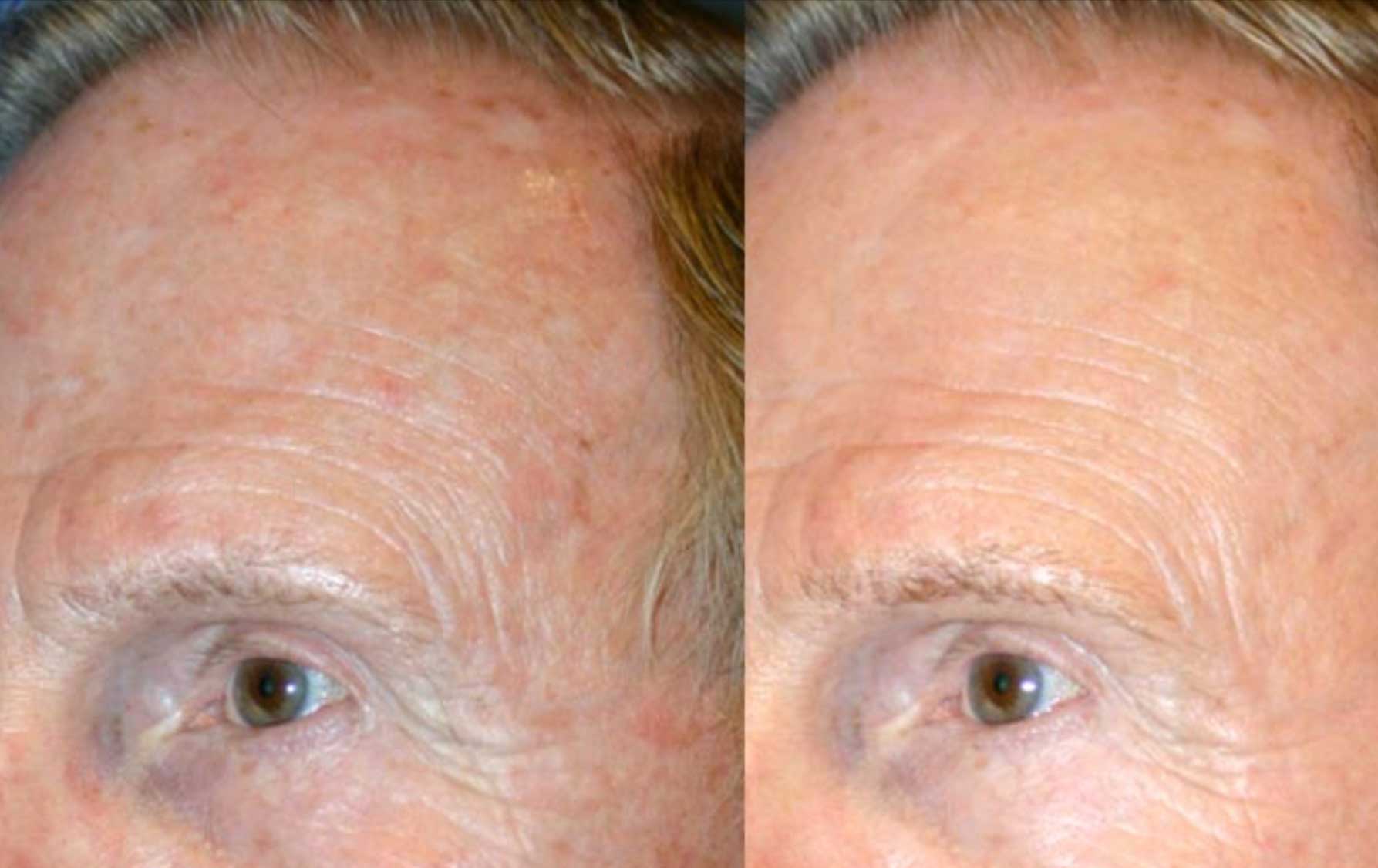
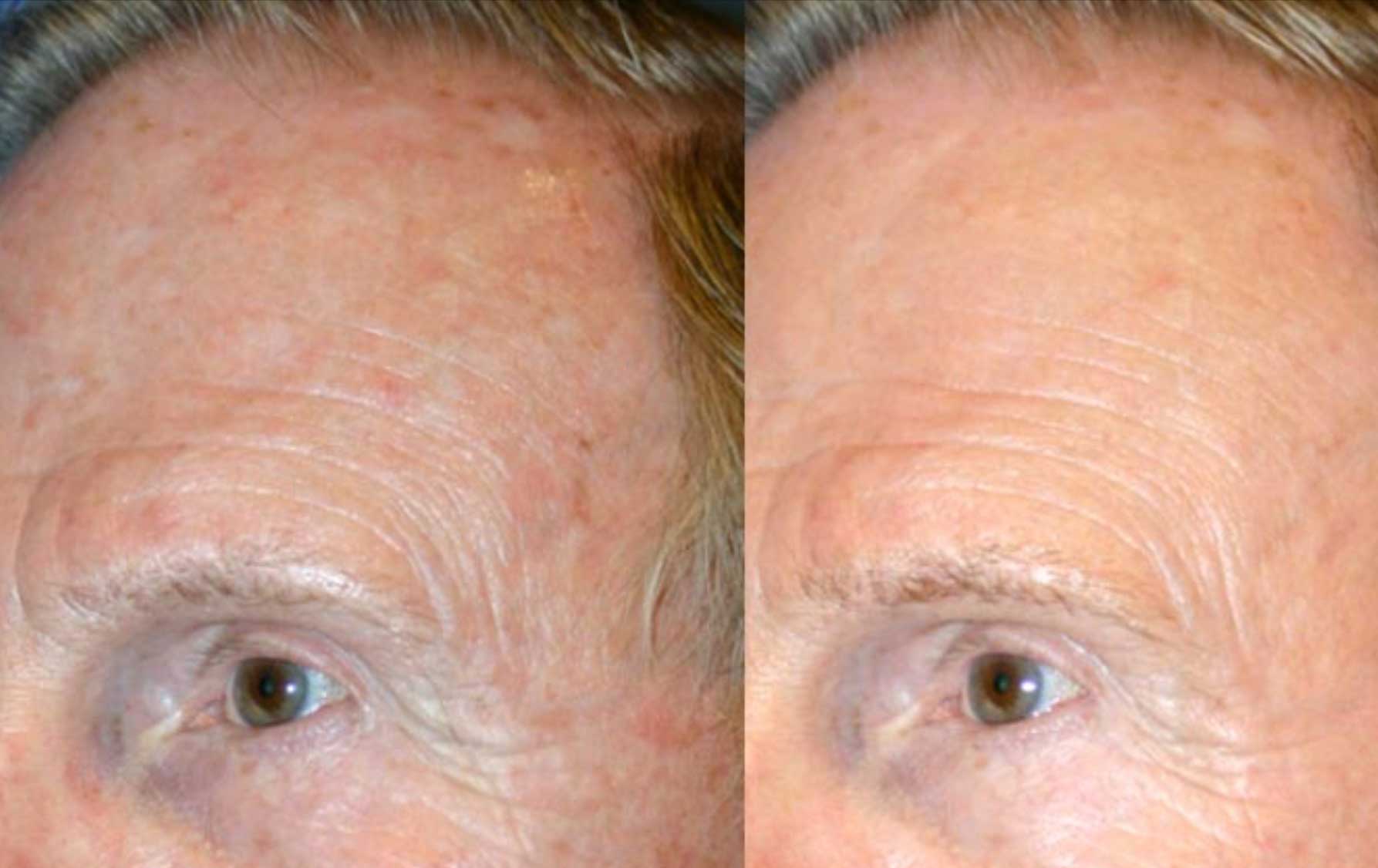
PDT’s FDA-approved indication is actinic keratoses — precancerous sun-damaged lesions that, left untreated, can progress to squamous cell carcinoma. That’s the clinical justification. But PDT has a well-documented secondary benefit that aesthetic patients love: significant photorejuvenation of sun-damaged skin beyond the lesions themselves.
Patients who undergo PDT for actinic keratoses routinely report improved skin tone, reduction in age spots and hyperpigmentation, finer texture, reduced pore size, and a visible reduction in the mottled, uneven quality that decades of UV exposure create. These cosmetic benefits are real and documented — they’re just secondary to the primary clinical purpose.
What PDT treats (by indication)
- Actinic keratoses (FDA-approved primary indication)
- Sun damage, age spots, and solar lentigines
- Uneven skin tone and texture from UV exposure
- Active acne and sebaceous gland overactivity
- Skin quality improvement in chronically sun-exposed areas
How PDT works at medAge
We use Levulan Kerastick (aminolevulinic acid, ALA) — the FDA-approved photosensitizing agent for PDT. After application to the skin, ALA is selectively absorbed by abnormal and highly active cells (damaged keratinocytes, acne-causing bacteria, sebaceous glands). After an incubation period, the treated area is activated with blue light — which causes a photochemical reaction that selectively destroys those targeted cells while leaving surrounding normal tissue intact.
The entire process takes a few hours including incubation time. Downtime is real: expect redness and peeling for 5 to 7 days after treatment. This is not a “lunchtime procedure.” It’s a clinical treatment with meaningful results and a recovery period to match. Plan accordingly.
When is the right time of year for PDT?
Spring — right now — is ideal. You need to avoid sun exposure following PDT for at least 48 hours, and you’ll be photosensitive for longer. Treating in April or May means your recovery happens before peak summer sun exposure. We generally discourage PDT in the height of summer in Asheville for this reason.
What to expect after treatment
Days 1–2: Redness, swelling, and photosensitivity. Strict sun avoidance is essential. Day 3–5: Peeling and crusting on treated lesions. This is expected and a sign the treatment is working. Days 5–7: Skin begins to settle. Most patients are presentable by day 7–10. Weeks 3–8: The photorejuvenation benefits emerge as new skin develops — the improvement in tone, texture, and spot reduction becomes progressively visible.
Spring is the ideal time for PDT in Asheville. If you have sun-damaged skin or actinic keratoses, schedule a consultation before peak summer.