CO2 Laser for Acne Scars: What It Can (and Can’t) Do

Medically reviewed by Dr. Sarah Long, Lead Provider · Medical oversight by Dr. Laura Ellis, Medical Director · Updated October 2026
If you’ve lived with acne scars, you’ve probably read that CO2 laser is the answer — and also that it’s overhyped. The truth sits in between. CO2 resurfacing is one of the most effective tools we have for acne scarring, but it works better on some scar types than others, and honest expectations are everything. Here’s the real picture.
The short answer: CO2 laser can meaningfully improve many acne scars by resurfacing the skin and remodeling collagen to soften depressed scars. It rarely erases them completely, often works best in a series or combined with other treatments, and isn’t right for every skin tone. A consultation is how you find out where your scars fall.
First — not all acne scars are the same
This is the part that determines everything. “Acne scars” is a catch-all for several different problems, and they don’t all respond the same way:
| Scar type | What it looks like | CO2 response |
|---|---|---|
| Rolling | Shallow, wavy dips in the skin | Often responds well |
| Boxcar | Wider depressions with defined edges | Good improvement, may need a series |
| Ice pick | Deep, narrow pits | Hardest — often needs combination therapy |
| Dark marks (PIH) | Flat brown or red spots, not texture | These aren’t scars — often better for other treatments |
That last row matters: a lot of what people call “scarring” is actually post-inflammatory pigmentation — flat discoloration, not a texture change. That responds better to treatments aimed at pigment than to resurfacing, which is exactly the kind of distinction a provider should make before you book a laser.
How CO2 improves scars
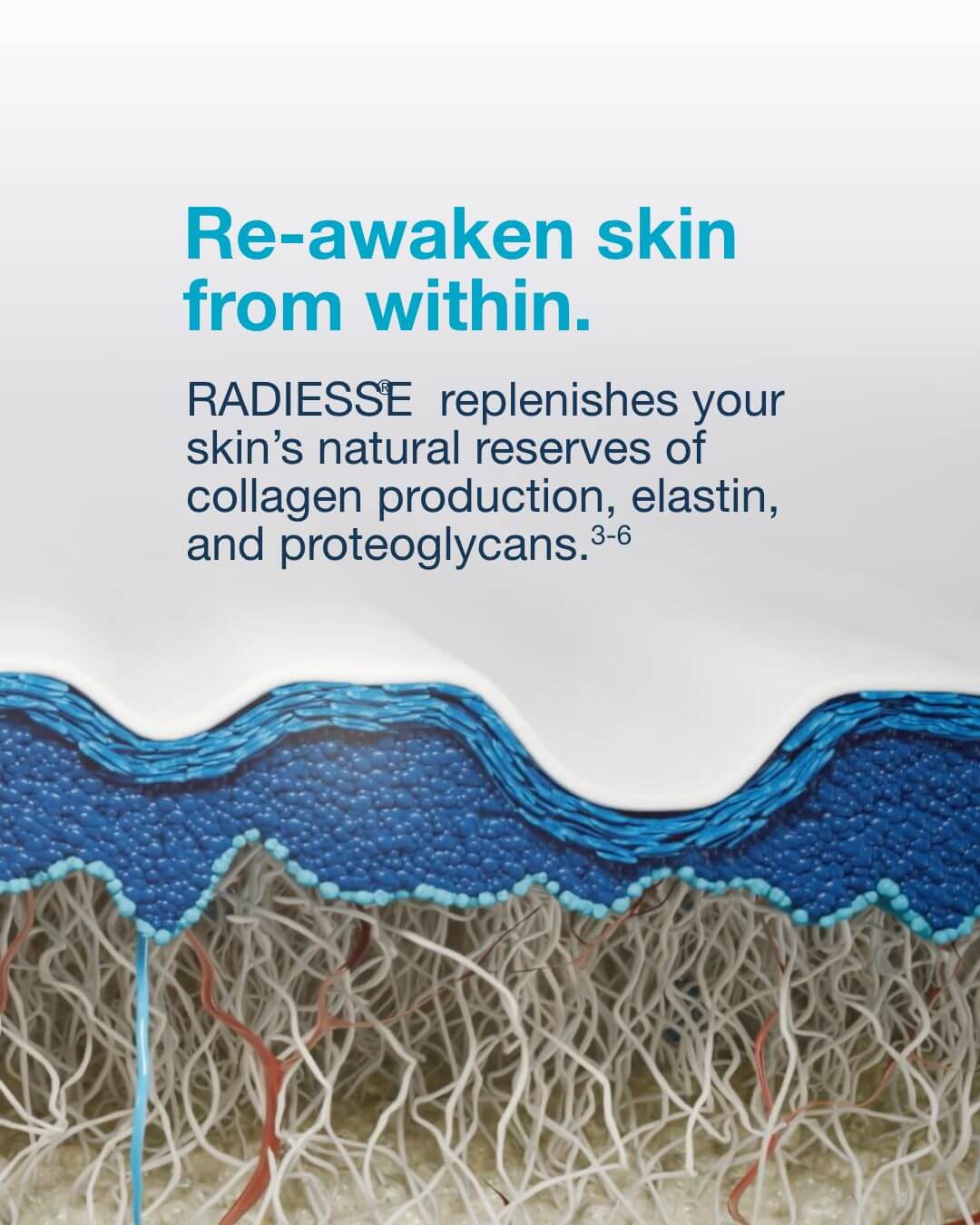
Depressed acne scars are, essentially, places where the skin lost structure. The MiXto SX fractional CO2 laser does two things about that: it removes microscopic columns of the uneven surface, and it triggers months of new collagen production that helps “fill” depressed scars from beneath. The result is a smoother, more even surface as the skin remodels over the following months.
The honest part: improvement, not erasure
We’d rather you hear this from us than feel let down later. CO2 can produce dramatic improvement — but “improvement” is the right word. Significant scarring often needs more than one session, and the deepest scars (ice pick, in particular) usually respond best when CO2 is paired with other techniques. Anyone promising to completely erase deep acne scars in a single pass is overselling. What’s realistic is skin that looks noticeably smoother and catches the light more evenly — which, for most people, is life-changing enough.
A note on skin tone
CO2 works best on lighter skin tones (Fitzpatrick I–III). On deeper skin tones, the risk of post-treatment pigment change is higher, and Morpheus8 RF microneedling is often the safer, equally scar-focused choice. Your provider — Dr. Long or Madison Brookshire, RN — will steer you to whichever is right for your skin, not just whichever you walked in asking for.
Fall and winter are the right season for resurfacing — treated skin needs protection from the sun while it heals. Single CO2 treatments are 10% off right now, with 15% off a series of three.
Is it right for your scars?
The only way to answer is to have someone look closely at what kind of scarring you actually have, and at your skin type. We’ll tell you honestly what CO2 can do for you, whether a series makes sense, and whether a combined approach would serve you better.
Individual results vary, and acne scar outcomes depend on scar type, skin tone, and number of treatments. A consultation is required to determine the right approach for you.
Wondering what CO2 could do for your acne scars? Let’s take an honest look together.